Exhausted from my career as an architect, I was on a much-needed sabbatical, pondering the upcoming directions of my professional journey. And by career break I mean, leaning over my graphic tablet, sketching day and night, mastering fresh artistic techniques purely for the sheer joy of creation. I had been creating digital artwork for several years by that point, which served as a delightful sanctuary where I did not have to dwell on my career crossroads. While I felt certain that art was where my genuine enthusiasm lived, I had always reserved it merely as a pastime. Perhaps it was the persistent stereotype of the struggling artist that held me back, or perhaps the reluctance to part with architecture—a discipline I had invested years studying. Perhaps it was simply an absence of mentorship, uncertain of where to channel all this creative drive. Consequently, I had never regarded becoming a full-time illustrator as a practical career path. That all shifted when I received an invitation from FotoFables inquiring whether I would be keen on illustrating storybooks for young readers. It was this straightforward question that illuminated a brand-new doorway, a path that had genuinely never crossed my thoughts before. Since that pivotal moment, I have completed three illustrated books with FotoFables and continue discovering the expansive universe of visual storytelling across these endeavors. Furthermore, I am delighted to share that I have never looked back.
The world of children’s books
Children's picture books contain a truly wondrous universe within their pages. There are no rigid rules, gravity constraints, or limitations within the boundless imagination of a child. That was essentially the core realization of how I needed to dismantle my old habits and re-discover how to perceive the world through youthful eyes. Arriving with an architectural foundation, I had habitually approached art with strict discipline; spatial perspective had to be mathematically flawless, linework crisp, and every tint confined strictly within defined borders.
Thus, my earliest lesson was to unlearn that analytical perspective and embrace the unfiltered gaze of a young reader. I had to release the burden of replicating exact reality, shifting my artistic vocabulary from complex, technical drafting toward artwork that welcomes the vivid bursts of wonder inside a child’s imagination. I quickly realized that crafting illustrations for children is far more nuanced than merely depicting a moment from the script. Beyond the illustrations themselves, one must navigate editorial book design and page composition. The priority becomes visual harmony, ensuring that illustrations never compromise the legibility of the prose or overshadow its narrative clarity.
Subsequently, I navigated various challenges including tailoring visuals for specific developmental age brackets, rendering expressive facial gestures, designing memorable characters, and beyond. Among the invaluable insights I gathered throughout this journey of illustrating for children, here are five essential principles:
- 1. Expressions are the windows to the soul When designing characters, it is always wise to begin by exploring emotional facial expressions or cataloging them early on. A defining hallmark of picture book art is the capacity to vividly convey the heartfelt emotional feelings and reactions of each protagonist.
- 2. Drawing for different age groups Consistently remain mindful of your intended readership while illustrating. Broadly speaking, the younger the demographic, the more straightforward and direct the compositions should be, avoiding clutter that might otherwise overwhelm emerging young readers.
- 3. Draw between the lines Picture books frequently feature concise text, particularly titles created for younger age groups. A dependable rule of thumb is that younger audiences require fewer words on the page. That is precisely where illustrations become essential. Visuals enrich the scenes, providing ambient atmosphere, subtle dialogue nuances, and emotional depths that remain unwritten in the text.
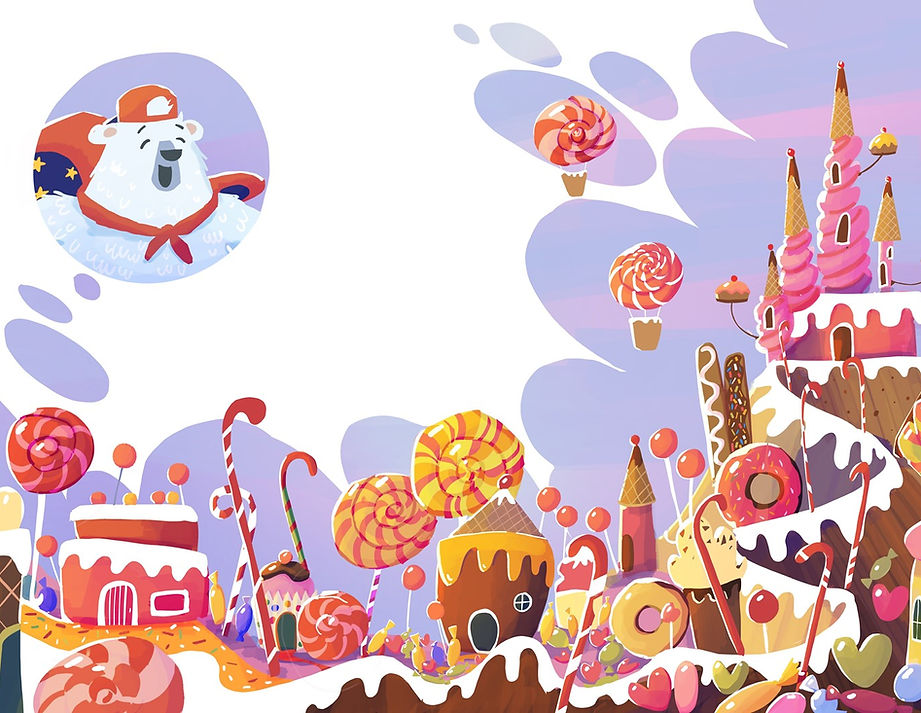
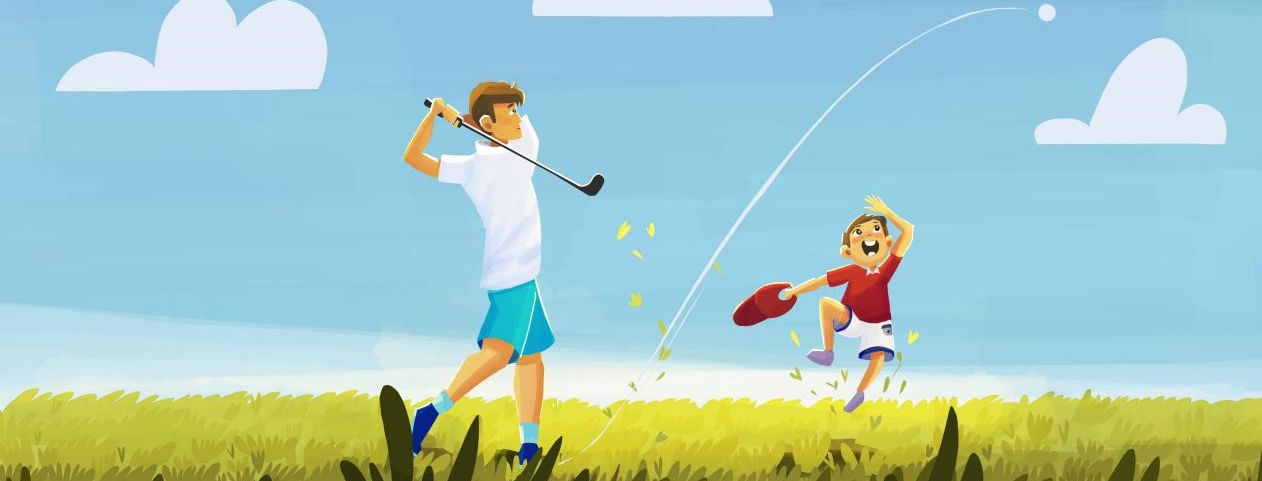
- 4. Compose around the text Throughout the illustration workflow, one must continuously evaluate the placement of typographic text relative to the surrounding artwork. Effective creative strategies include placing dialogue in speech bubbles, preserving open expanses of sky or simple backgrounds, or designing designated textured shapes where paragraphs can rest comfortably. Strategic utilization of negative white space makes page spreads breathe effortlessly.
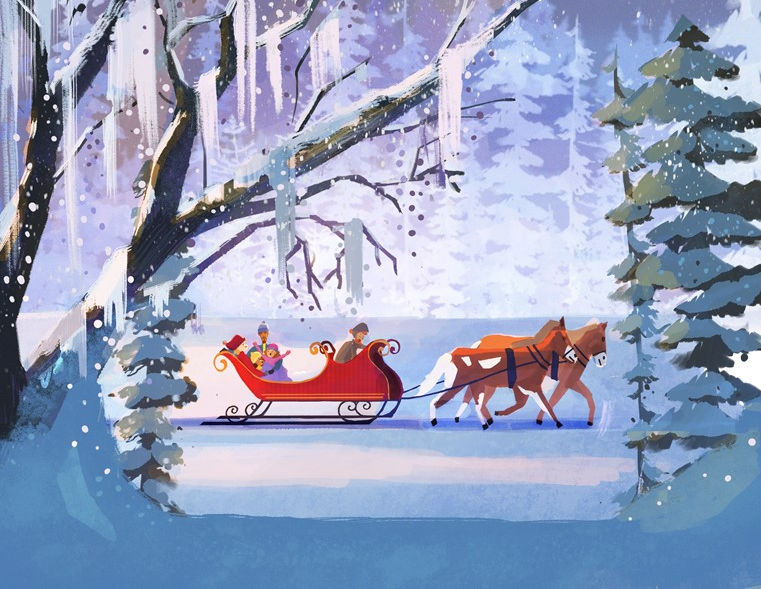
- 5. Focus on the focus Every book possesses a central thematic anchor—such as adventure, educational discovery, or empathy and moral values. This overarching theme steers the direction of the initial storyboards and dictates the chromatic mood of the artwork. The three children’s books I brought to life with FotoFables each celebrated distinct thematic focal points. For instance, in a winter story centered on festive holidays and family bonding amidst the snow, warmth and festive cheer were paramount, guiding a palette rich in festive reds and snowy whites.
What also guided me throughout this illustration journey was revisiting the beloved picture books that enchanted me during my own childhood. Among my earliest favorites was “Grimm’s Fairy Tales”. Far more than simply scanning the text, I was mesmerized by the expansive illustrations on every page—majestic castles, enchanted royalty, wondrous magic, and radiant palettes. Looking back today, it was the distinct character silhouettes, exaggerated expressions, and delightful disregard for realistic constraints that made the experience unforgettable. I must have browsed through those illustrated volumes hundreds of times, drawn continually to the visual wonder rather than just the written plot. Never in my childhood dreams did I envision that I would one day be illustrating these magical tales myself. To conclude, I am grateful that I have found a happy little corner between the pages of children’s books and I would like to thank the people at FotoFables for opening my eyes to this whole new world.